
Time flies! It’s been a crazy year so far, one of those kinds where I haven’t taken any vacation since it started. Seriously, come to think of it, the trip to Gujarat and Rajasthan in December 2013 was the last long vacation we’ve had. Since then, it’s been just so difficult to take time off and just go somewhere….anywhere!
It was supposed to be a trip to the North Eastern Himalayas in December 2013, covering parts of Sikkim and a tour of Bhutan, returning through Assam and West Bengal. But there were budget constraints that hit us, both monetary as well as time needed to complete the circuit. Gozu had some work related travel in December that made it difficult to plan a 3 week trip and we had to drop the idea eventually.
It was already November and we hadn’t finalized where we were going. Then one fine day, it just happened! We were going to be accompanied by the Kumars and the Singhs, in their virgin Ecosport and Terrano, both cars barely run 500-600 kms. So at 2 months old, the Fortuner was going to be the oldest car in the group for this trip. Plans were made and we managed to get the bookings done. Those days the weekend discussions used to be only about what we’re going to through the trip. It was going to be a 10 day trip, covering only Jaisalmer, Dholavira and Zainabad with some stopovers at Ahmedabad.
When the d-day arrived, everyone was in a super charged mood. First halt was at Mumbai where we were stopping over at a friends place and then headed to Ahmedabad on the next day. The following two days were dedicated to some birding around Ahmedabad while the other two guys spent time with family in Mumbai and joined us at Ahmedabad on day three.
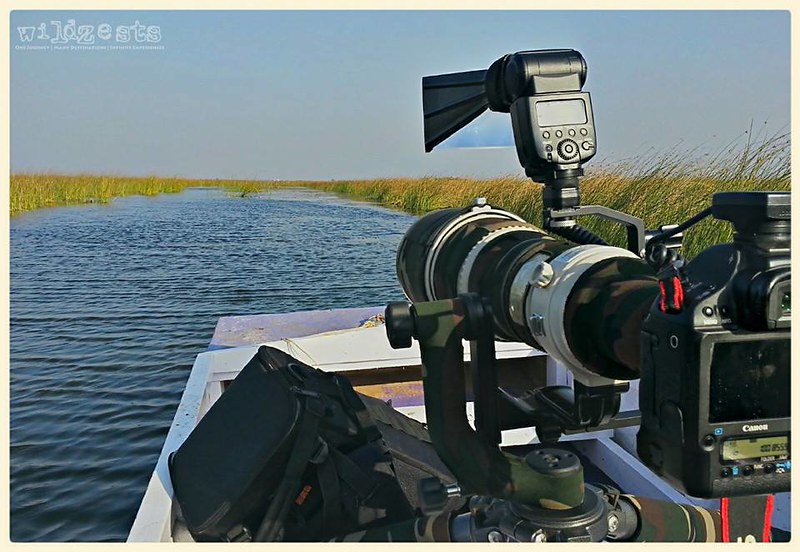
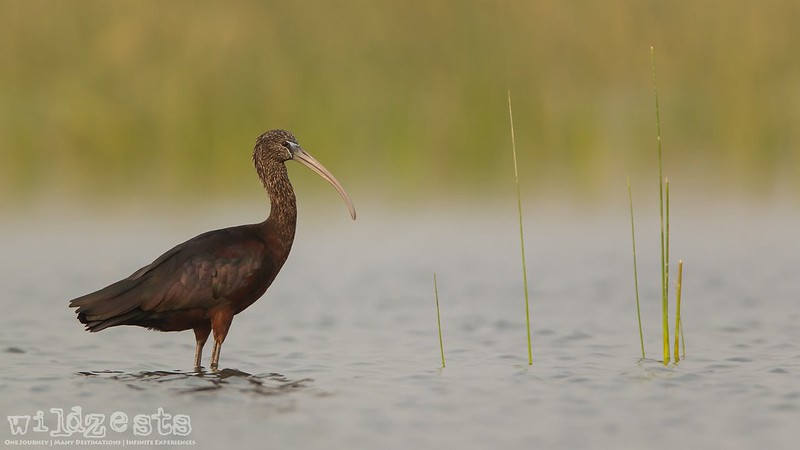
During the two days at Ahmedabad, we visited the Thol Sanctuary and Nalsarovar Lake. Honestly, Thol was a bit of a disappointment since I couldn’t get closer to the birds at all. The lake is very big and even after walking around for an hour, we hadn’t even walked halfway around its circumference. We roamed around for about 3 hours and then finally decided to try our luck with Nalsarovar. Once at Nalsarovar, it was a very different experience altogether. We hired a boat for the remainder of the day and the whole of the next day which was quite good. The bird population was dispersed through various parts of the lake. The water levels were still high and the flamingos hadn’t arrived yet, but a lot of other waders were seen.
Covering an area of 120 sq. kms, the lake is covered with grass reeds and the shallow waters allow for a lot of aquatic plants to thrive. The weather was quite good too, and on the second day we were on that boat starting 7AM until 6PM.

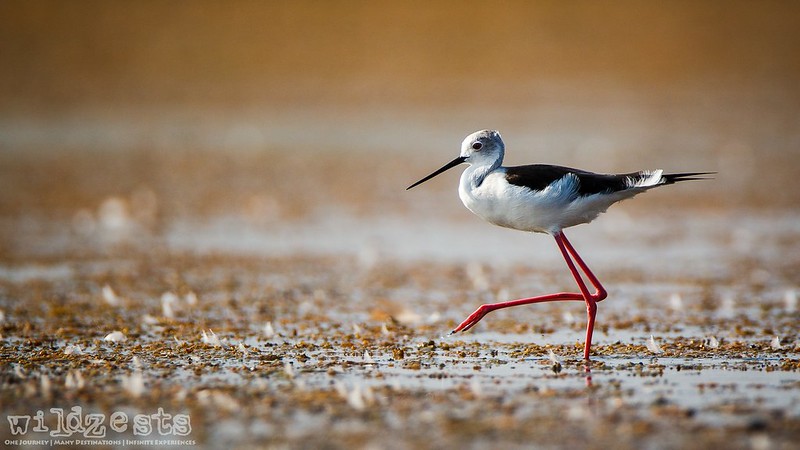
On Day 3, we were joined by the rest of the group and then it was shopping time for the ladies at the night market in Ahmedabad. The next day we were scheduled to begin our trip officially and head towards Jaisalmer.
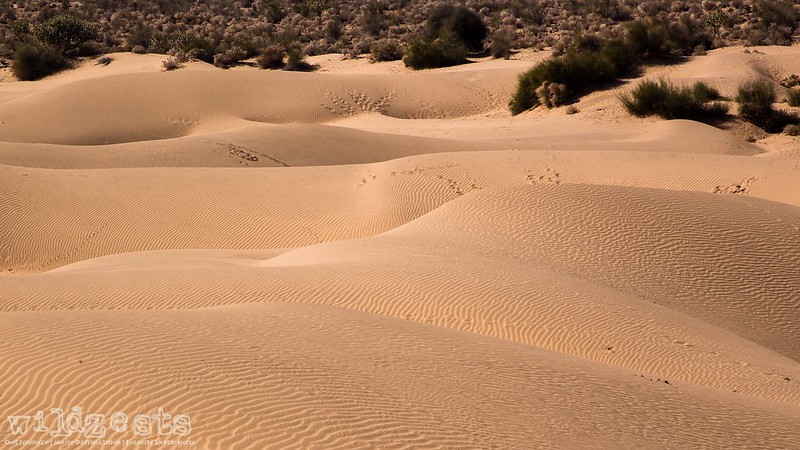
While shortlisting places in Rajasthan, I was very particular of not wanting to do any of the touristy places where one has to walk with a thousand people through those palace corridors. Rajasthan for me was about the dunes in the desert and its uninhabited vastness. May be someday I will go back to visit the palaces, but not in the peak tourist season. On choosing the dunes near Jaisalmer, there were two main spots, Sam and Khuri. The Khuri (khoodi) dunes were apparently less crowded and cheaper than staying at Sam. And fortunately, we managed to get bookings at Mama’s resort and Camp at Khuri given that everything else was pretty much full.
 The resort seemed a bit smaller than what we anticipated and what the pictures depicted, but the rooms were good and they had some tented accommodation that looked nice as well. The food was quite good but that didn’t surprise us. Although most places are predominantly vegetarian, I actually think that getting bad food is a bit difficult in Gujarat and Rajasthan.
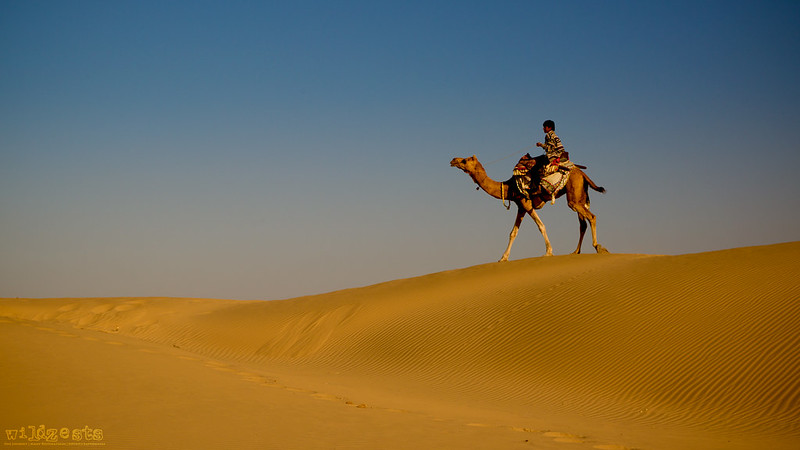
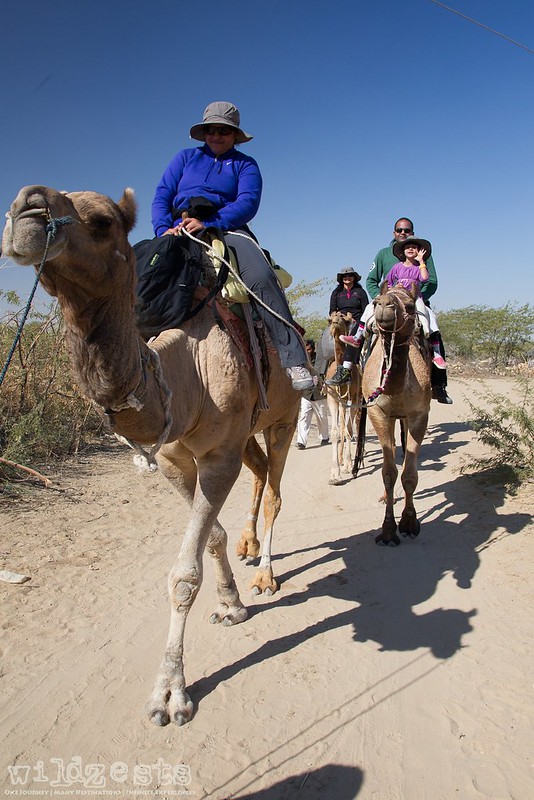
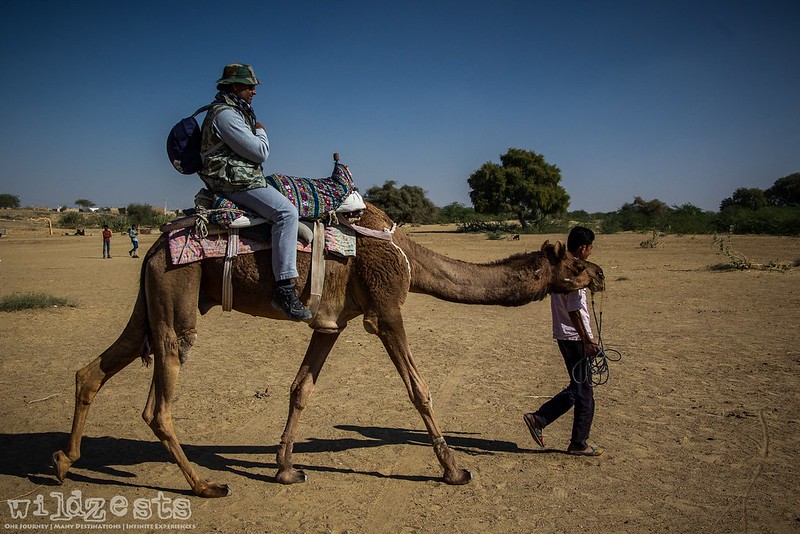 The first day we went out for a short ride on the dunes to watch the sun settle behind the horizon. Everybody’s first experience on the sand, and we all loved it. So much that we asked the guys to take us for a full-day safari on the following day.
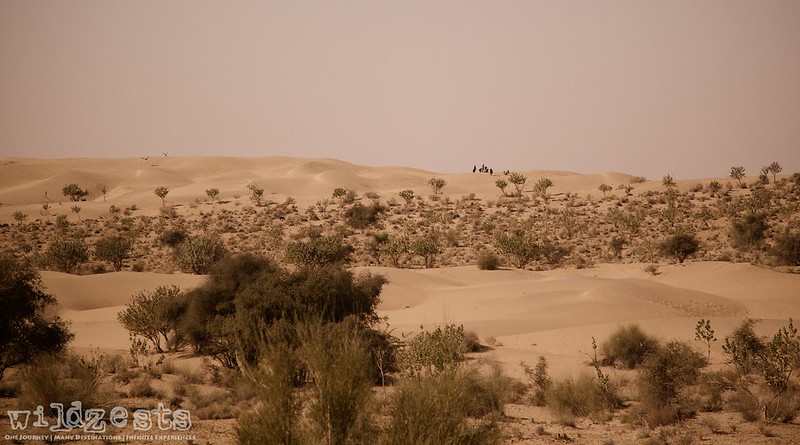
In the full-day safari, you basically travel about an hour on the camels and then settle down under an acacia tree while the guys cook a hearty meal on the dunes. No gas and no stove, only some twigs and a make shift “chulha”. And then post the afternoon siesta, you are good to return back to civilization. There are overnight versions of such expeditions as well, where you get to sleep on the dunes under the star lit night sky, but given that we had a 1 year old, we chose not to be too adventurous. The night temperatures can drop significantly and one has to be prepared for it.
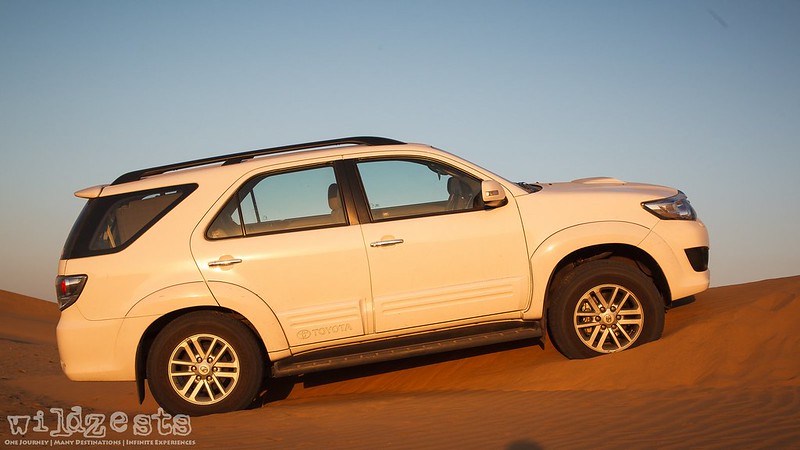
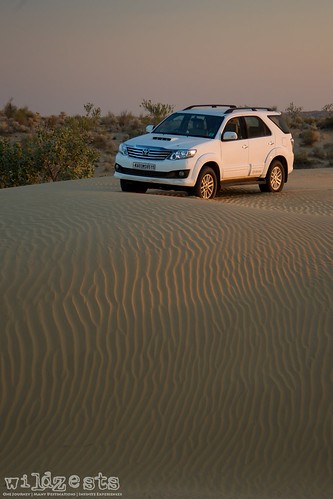 I wanted to get the Fortuner for some dune bashing and experience its capabilities on the sand. Post the siesta, the next stop was going to be the sunset point that we had visited on the previous day. So while the guys packed up and moved towards that place, I decided to go get the car and drive it to the sunset point. On the way to the car, as the camel was getting down a steep slope, one of the belts securing the seat snapped out. The young lad, about 13 years old, didn’t know what to do next and called his brother for advice. His brother assured me that it shouldn’t be a problem at all and that his camel also runs the same setup with one broken strap. So off we went again, and at the next descent, I could see the camels head coming closer and closer to mine. Finally, I had to grab the camels neck and do an emergency dismount maneuver, landing in the soft sand. The seat had almost come off its back, throwing me off to roll in the sands. Thankfully, nobody was hurt, neither me and nor the camel had suffered any injuries. The little guy was a bit embarrassed over the incident, but I laughed it off to make him comfortable. It was then that he told me that I was fortunate that the camel didn’t react to me grabbing it’s neck, if it were a smaller camel, it may have kicked me and definitely caused some pain. I thanked my stars and the camel too, brave animal I must say. Anyway, the seat was fixed by another camel guy who made sure it was secured properly and he swore on his own life that there was no risk for me to sit on it again. I offered to walk instead, but he insisted and I gave in, but not without asking for pardon for all my sins...it worked!
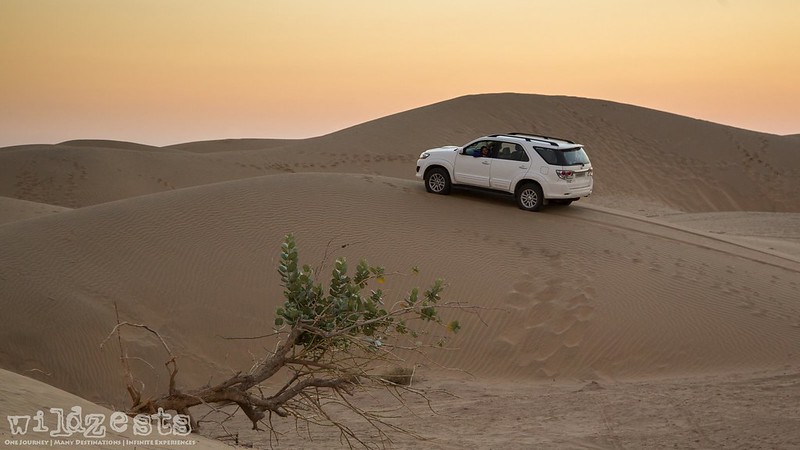
Soon we were back at the car and it was time for me to show the little guy on how good the Fortuner could do camel duty. He handed the camel to his brother and joined me along with another friend. The first step was to climb the dune, straight to the top and then drive on the ridges to get to sunset point. I slotted into 4HL and it climbed up like no man’s business, at 40kmph! Both guys were surprised at the ease at which the Fortuner was managing through the dunes and soon we were at the designated spot.
The next day we roamed around Jaisalmer and visited the fort. It was a nice experience and the ladies got an opportunity to shop around until it was dark.
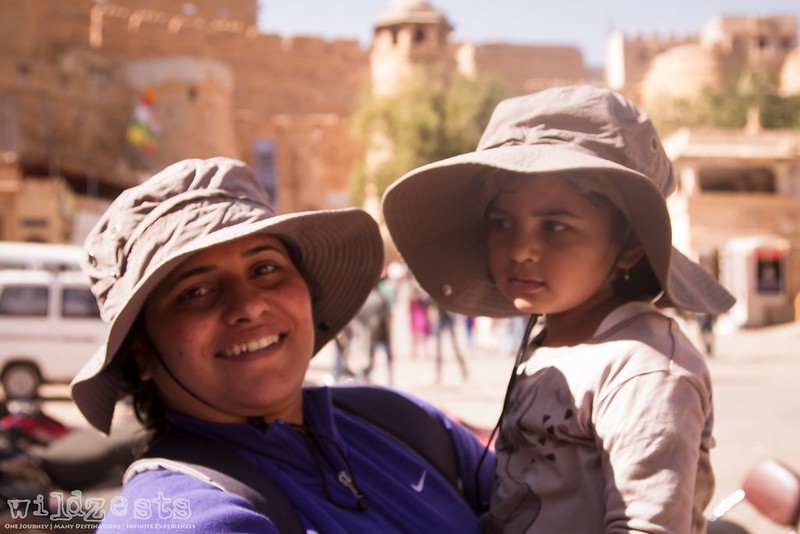
Our first trip to Jaisalmer and we were all determined to come back for more, but for now we had to head towards Dholavira which was our next destination. Most importantly, we had to make sure our bookings were still available since I hadn’t been able to pay the advance. I called them again to check, the guys were kind enough and hadn’t given away my bookings.
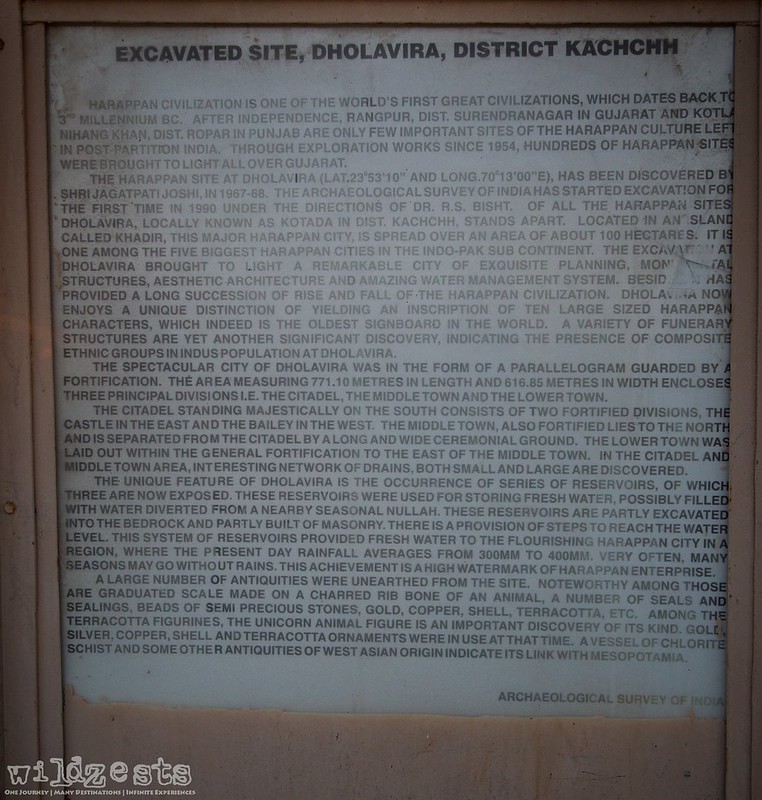
Dholavira had been on our travel schedule for the past 2 years when we’ve visited the Little Rann of Kutch, but it had never materialized. So this time it was finally going to happen, and my wife was excited about it. The only place to stay at Dholavira is at Toran which is operated by Gujarat Tourism so its always a good thing to get place and have your bookings confirmed.
We hired a guide to show us around and that was indeed a good move since we would have never realized how well planned the humans were 5000 years ago.
Next day, we left towards Zainabad (Little Rann of Kutch) in the morning after breakfast. It was a quick and short drive of about 4 hours through small villages until we reached the main highway. But it was not a problem since the roads throughout Gujarat have been fantastic all the time.
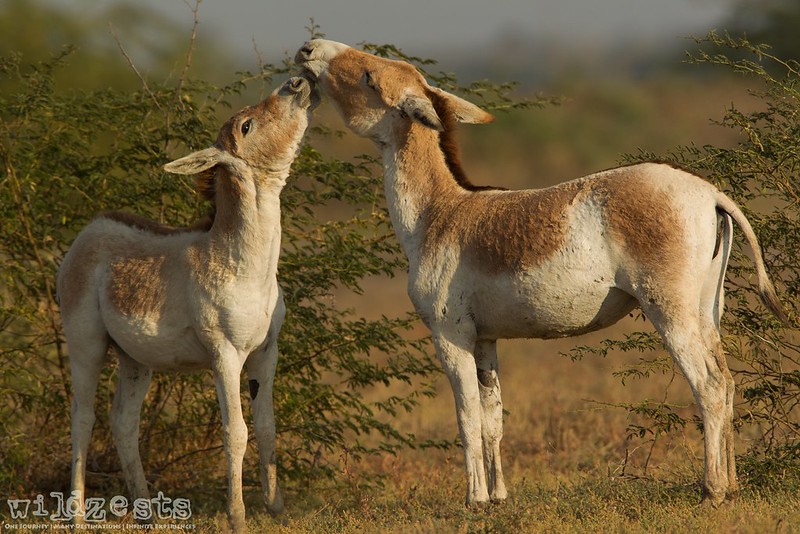
Zainabad had now become like our second home given that this was the third consecutive year we were visiting. Dhanraj and his guys made every attempt to make our stay comfortable as ever, hats off. We did the customary wildlife viewing safari and everyone got to witness the critically endangered wild asses and a few other LRK specialties.
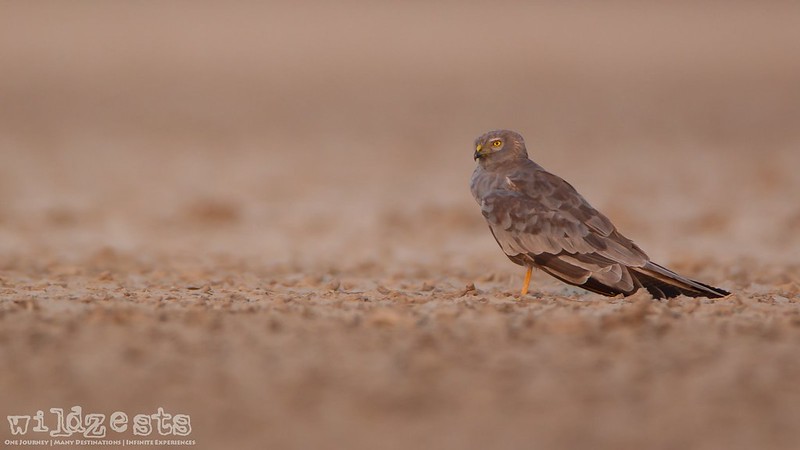
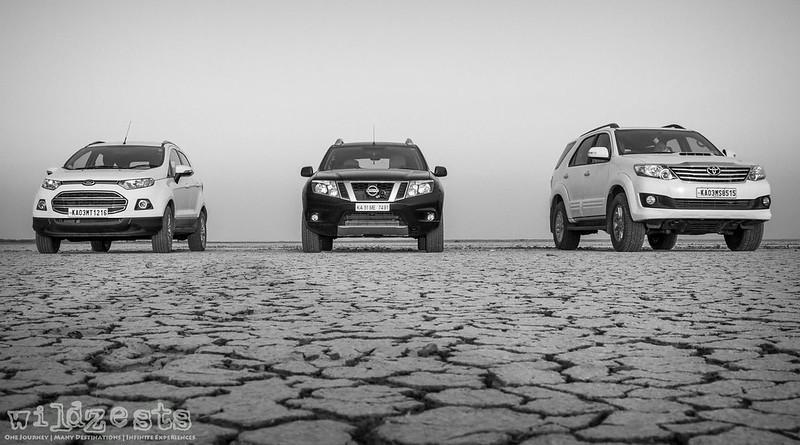
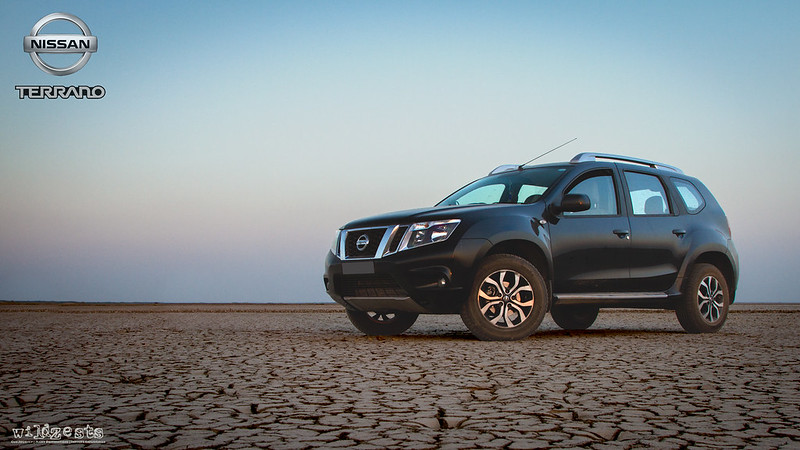
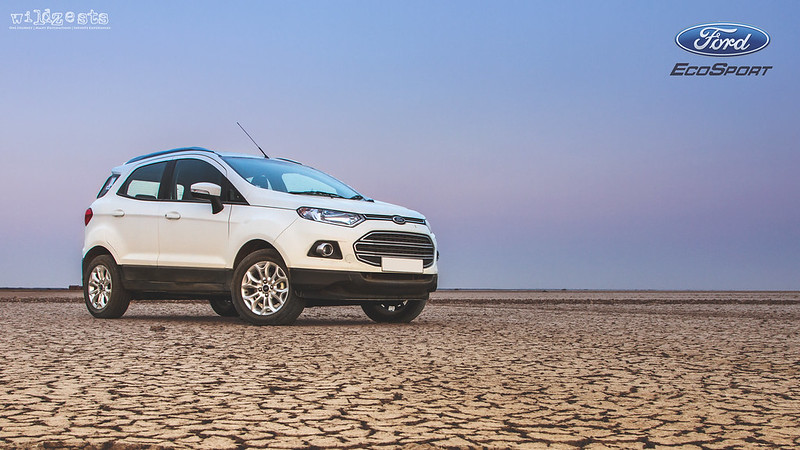
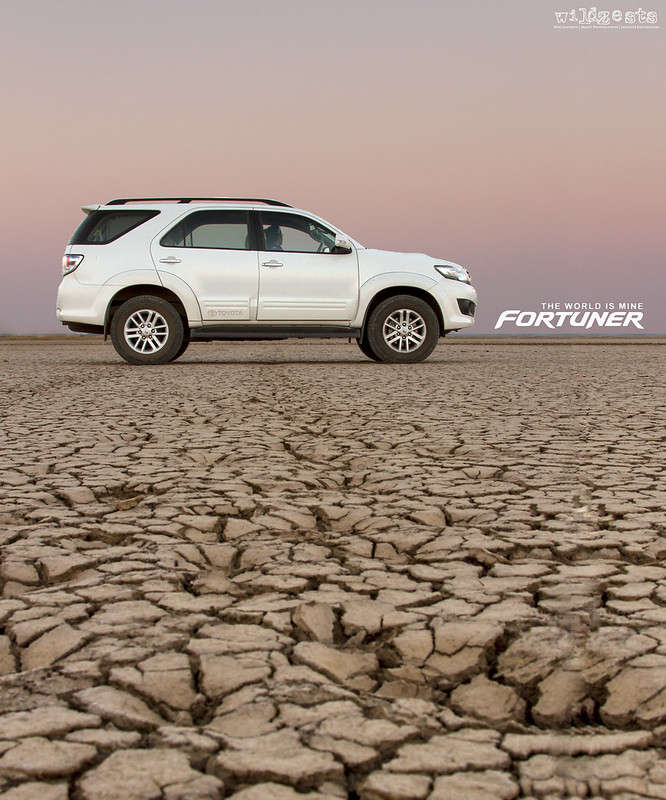
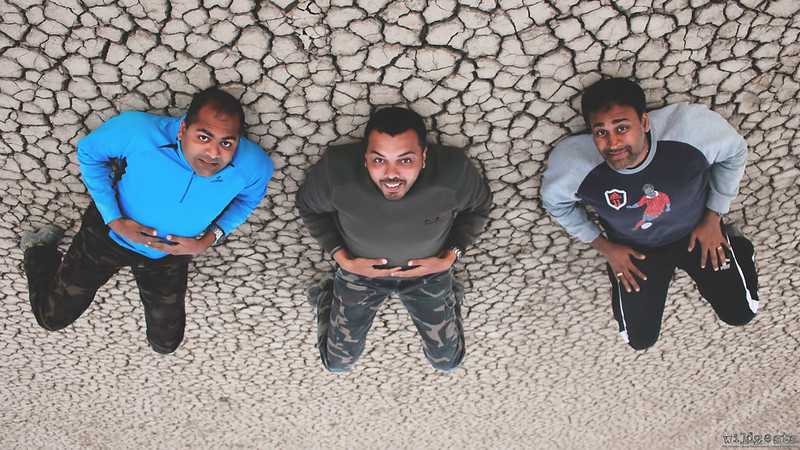
Next day we got our permits and decided to drive in ourselves. Although we made a few wrong turns, overall we successfully navigated through the open flats (with some help from GPS and Google Maps). It was time for a quick photo shoot with the three cars.
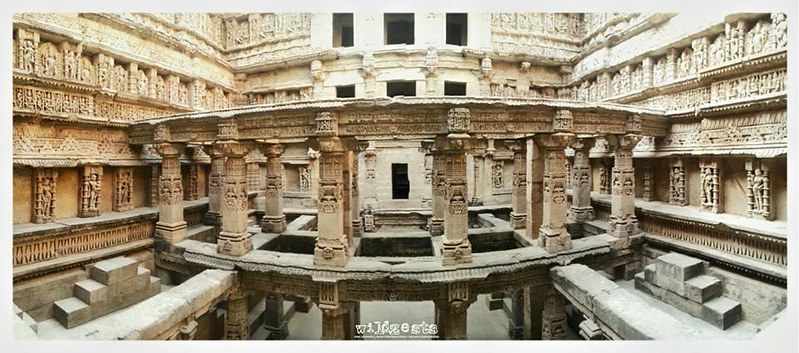
On the following day we went exploring around Zainabad to Modhera and Patan. The Sun Temple and Rani ki Vaav are some really interesting places to visit if you get a guide and listen to all their stories.
Before we realized, it was already the end of our week long vacation and with a heavy heart we bade goodbye to Gujarat. It was time to catch up with some more family members and then head back home.
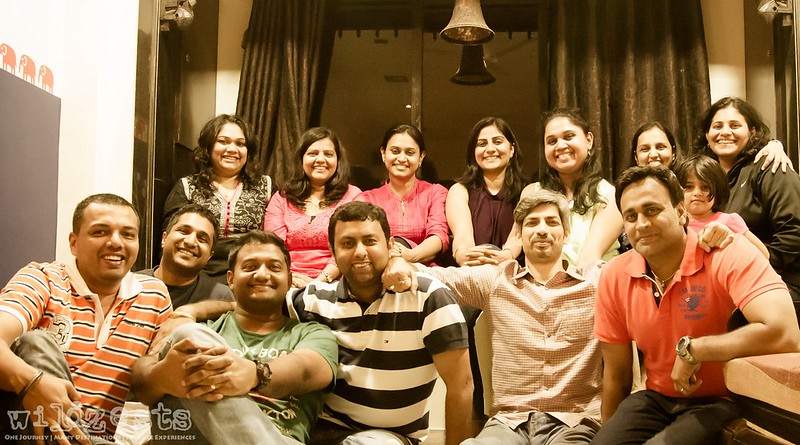
Given that we are so used to traveling on our own, this was definitely a different experience for us. But again, the good thing was that we were with a very close group of friends and that’s what made it fun and entertaining all through. Overall, it was a fun vacation and everyone enjoyed it thoroughly.
It was supposed to be a trip to the North Eastern Himalayas in December 2013, covering parts of Sikkim and a tour of Bhutan, returning through Assam and West Bengal. But there were budget constraints that hit us, both monetary as well as time needed to complete the circuit. Gozu had some work related travel in December that made it difficult to plan a 3 week trip and we had to drop the idea eventually.
It was already November and we hadn’t finalized where we were going. Then one fine day, it just happened! We were going to be accompanied by the Kumars and the Singhs, in their virgin Ecosport and Terrano, both cars barely run 500-600 kms. So at 2 months old, the Fortuner was going to be the oldest car in the group for this trip. Plans were made and we managed to get the bookings done. Those days the weekend discussions used to be only about what we’re going to through the trip. It was going to be a 10 day trip, covering only Jaisalmer, Dholavira and Zainabad with some stopovers at Ahmedabad.
When the d-day arrived, everyone was in a super charged mood. First halt was at Mumbai where we were stopping over at a friends place and then headed to Ahmedabad on the next day. The following two days were dedicated to some birding around Ahmedabad while the other two guys spent time with family in Mumbai and joined us at Ahmedabad on day three.
During the two days at Ahmedabad, we visited the Thol Sanctuary and Nalsarovar Lake. Honestly, Thol was a bit of a disappointment since I couldn’t get closer to the birds at all. The lake is very big and even after walking around for an hour, we hadn’t even walked halfway around its circumference. We roamed around for about 3 hours and then finally decided to try our luck with Nalsarovar. Once at Nalsarovar, it was a very different experience altogether. We hired a boat for the remainder of the day and the whole of the next day which was quite good. The bird population was dispersed through various parts of the lake. The water levels were still high and the flamingos hadn’t arrived yet, but a lot of other waders were seen.
Covering an area of 120 sq. kms, the lake is covered with grass reeds and the shallow waters allow for a lot of aquatic plants to thrive. The weather was quite good too, and on the second day we were on that boat starting 7AM until 6PM.
On Day 3, we were joined by the rest of the group and then it was shopping time for the ladies at the night market in Ahmedabad. The next day we were scheduled to begin our trip officially and head towards Jaisalmer.
While shortlisting places in Rajasthan, I was very particular of not wanting to do any of the touristy places where one has to walk with a thousand people through those palace corridors. Rajasthan for me was about the dunes in the desert and its uninhabited vastness. May be someday I will go back to visit the palaces, but not in the peak tourist season. On choosing the dunes near Jaisalmer, there were two main spots, Sam and Khuri. The Khuri (khoodi) dunes were apparently less crowded and cheaper than staying at Sam. And fortunately, we managed to get bookings at Mama’s resort and Camp at Khuri given that everything else was pretty much full.
The first day we went out for a short ride on the dunes to watch the sun settle behind the horizon. Everybody’s first experience on the sand, and we all loved it. So much that we asked the guys to take us for a full-day safari on the following day.In the full-day safari, you basically travel about an hour on the camels and then settle down under an acacia tree while the guys cook a hearty meal on the dunes. No gas and no stove, only some twigs and a make shift “chulha”. And then post the afternoon siesta, you are good to return back to civilization. There are overnight versions of such expeditions as well, where you get to sleep on the dunes under the star lit night sky, but given that we had a 1 year old, we chose not to be too adventurous. The night temperatures can drop significantly and one has to be prepared for it.
Soon we were back at the car and it was time for me to show the little guy on how good the Fortuner could do camel duty. He handed the camel to his brother and joined me along with another friend. The first step was to climb the dune, straight to the top and then drive on the ridges to get to sunset point. I slotted into 4HL and it climbed up like no man’s business, at 40kmph! Both guys were surprised at the ease at which the Fortuner was managing through the dunes and soon we were at the designated spot.
The next day we roamed around Jaisalmer and visited the fort. It was a nice experience and the ladies got an opportunity to shop around until it was dark.
Our first trip to Jaisalmer and we were all determined to come back for more, but for now we had to head towards Dholavira which was our next destination. Most importantly, we had to make sure our bookings were still available since I hadn’t been able to pay the advance. I called them again to check, the guys were kind enough and hadn’t given away my bookings.
Dholavira had been on our travel schedule for the past 2 years when we’ve visited the Little Rann of Kutch, but it had never materialized. So this time it was finally going to happen, and my wife was excited about it. The only place to stay at Dholavira is at Toran which is operated by Gujarat Tourism so its always a good thing to get place and have your bookings confirmed.
We hired a guide to show us around and that was indeed a good move since we would have never realized how well planned the humans were 5000 years ago.
Next day, we left towards Zainabad (Little Rann of Kutch) in the morning after breakfast. It was a quick and short drive of about 4 hours through small villages until we reached the main highway. But it was not a problem since the roads throughout Gujarat have been fantastic all the time.
Zainabad had now become like our second home given that this was the third consecutive year we were visiting. Dhanraj and his guys made every attempt to make our stay comfortable as ever, hats off. We did the customary wildlife viewing safari and everyone got to witness the critically endangered wild asses and a few other LRK specialties.
Next day we got our permits and decided to drive in ourselves. Although we made a few wrong turns, overall we successfully navigated through the open flats (with some help from GPS and Google Maps). It was time for a quick photo shoot with the three cars.
On the following day we went exploring around Zainabad to Modhera and Patan. The Sun Temple and Rani ki Vaav are some really interesting places to visit if you get a guide and listen to all their stories.
Before we realized, it was already the end of our week long vacation and with a heavy heart we bade goodbye to Gujarat. It was time to catch up with some more family members and then head back home.
Given that we are so used to traveling on our own, this was definitely a different experience for us. But again, the good thing was that we were with a very close group of friends and that’s what made it fun and entertaining all through. Overall, it was a fun vacation and everyone enjoyed it thoroughly.


